
Bddiabetes.com: A Practical Guide to Diabetes Travel Planning
Traveling with diabetes does not mean giving up vacations, business trips, family visits, or adventures. It simply means adding a little more planning before leaving home. When medication, insulin, food, glucose monitoring, and emergency supplies are organized properly, traveling with diabetes can become much less stressful.
The keyword “bddiabetes.com” may appear in searches related to diabetes care, diabetes supplies, and practical information for people managing diabetes. For many readers, the topic also connects with an important question: how can someone with diabetes travel safely and confidently?
This guide explores Bddiabetes.com in that practical context. It explains diabetes travel planning, insulin storage, flights, airport security, food choices, diabetes supplies, time-zone changes, road trips, privacy, and online health information.
The purpose is educational. Diabetes treatment is personal, so readers should always discuss medication, insulin doses, and major changes to their routine with their healthcare professional.
What Is Bddiabetes.com?
Bddiabetes.com is a domain name associated with diabetes-related information and the history of BD’s diabetes-care business.
BD, also known as Becton, Dickinson and Company, has a long history in medical technology and diabetes care. Its diabetes business became known for products and resources related to insulin administration and diabetes management.
The diabetes-care business later became part of a separate company, embecta. Because of this change, people who discover Bddiabetes.com through an older link or search result may encounter information that belongs to an earlier period of diabetes care.
This is important when researching health information online.
A website can remain mentioned in old articles, documents, forums, or search results even after a company changes its structure or a resource becomes outdated. Therefore, readers should consider the date and context of information before using it to make a healthcare decision.
For current diabetes treatment questions, it is better to compare online information with guidance from qualified healthcare professionals and established medical organizations.
Why Are People Searching for Bddiabetes.com?
Search intent around Bddiabetes.com can vary.
Some people may be looking for information about the history of BD diabetes products. Others may be trying to find older diabetes resources or information they remember from the past.
Another group may simply be interested in diabetes travel information, particularly topics such as:
- Traveling with insulin
- Carrying diabetes supplies on an airplane
- Storing insulin while traveling
- Managing blood sugar during vacations
- Taking diabetes medication through airport security
- Packing diabetes supplies
- Eating while traveling with diabetes
- Crossing time zones
- Managing diabetes during road trips
This makes Bddiabetes.com an interesting search term because it can lead people toward a broader topic: how to manage diabetes while away from home.
Understanding Diabetes Travel Planning
Travel changes your normal routine.
At home, you may know exactly when you eat, exercise, sleep, check your blood glucose, and take medication. Travel can disrupt almost all of these habits.
A flight may be delayed. A restaurant may serve food at a different time. You may walk much more than usual. A long car journey can cause you to sit for several hours. Different weather conditions can also affect your body and your diabetes routine.
Good planning does not mean trying to control every part of a trip. Instead, it means having a backup plan when things do not go as expected.
A useful diabetes travel plan should consider four basic areas:
- Medication
- Blood glucose monitoring
- Food and hydration
- Emergency supplies
When these areas are covered, most common travel problems become easier to manage.
Diabetes Travel Checklist
Before leaving home, make a diabetes travel checklist.
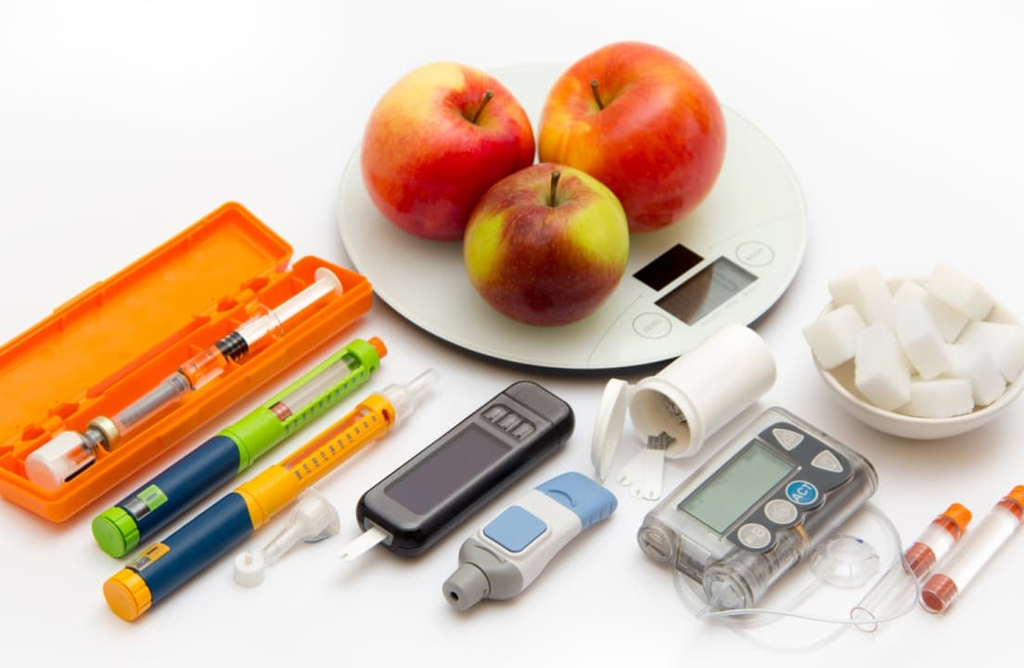
Your exact list will depend on your treatment plan, but it may include:
- Insulin
- Diabetes medication
- Blood glucose meter
- Test strips
- Lancets
- Continuous glucose monitor supplies
- Insulin pump supplies
- Syringes
- Pen needles
- Insulin pens
- Batteries
- Charging cables
- Glucose tablets
- Fast-acting carbohydrate
- Snacks
- Glucagon if prescribed
- Medical identification
- Prescription information
- Health insurance information
- Emergency contact details
- A suitable insulin travel case
One of the smartest ideas is to pack extra supplies.
Travel rarely goes exactly according to plan. A delayed flight, canceled connection, lost suitcase, or unexpected extra night can quickly change your needs.
Also Read: Woeken: Meaning, Origin, Uses, and Why People Search for It
Packing only the exact amount required for a trip leaves very little room for mistakes.
Why Diabetes Supplies Should Stay in Your Carry-On
People with diabetes should think carefully about where they pack medication and essential supplies.
For air travel, keeping important diabetes items in your carry-on bag is generally safer than putting them in checked luggage.
Checked baggage can be delayed or lost. It can also be exposed to temperatures that may not be suitable for certain medications.
Imagine arriving at your destination after a long flight and discovering that your suitcase has not arrived.
If your insulin, glucose meter, medication, and emergency supplies are inside that suitcase, the problem becomes much more serious.
Keeping essential supplies with you gives you direct access throughout the journey.
Your carry-on should ideally contain everything you need to manage your diabetes during the trip, including enough supplies to handle unexpected delays.
How to Store Insulin While Traveling
Insulin requires special attention because temperature can affect its quality.
The correct storage conditions depend on the specific insulin product. Travelers should always check the instructions provided with their insulin.
As a general rule, insulin should be protected from extreme heat, freezing temperatures, and direct sunlight.
Avoid leaving insulin:
- In a parked car
- On a car dashboard
- Near a heater
- In direct sunlight
- In a freezer
- Directly against frozen ice
- Inside checked luggage when temperatures may become extreme
A common mistake is assuming that any cooler or ice pack is automatically safe for insulin.
That is not necessarily true.
Insulin can be damaged if it freezes. A frozen product may not work as expected even if it appears normal after it returns to room temperature.
Using an Insulin Travel Case
An insulated travel case can make it easier to protect insulin during a trip.
However, an insulated case is not automatically a refrigerator.
The goal is to protect medication from excessive temperature changes.
If you use a cooling pack, make sure the insulin does not come into direct contact with something frozen unless the specific product instructions say that this is safe.
Always follow the storage instructions for the exact insulin you use.
If you are uncertain about whether insulin has been exposed to unsafe temperatures, ask a pharmacist or healthcare professional before using it.
Can You Take Insulin on a Plane?
People who use insulin can generally travel by air with their medication and necessary diabetes supplies.
However, airport security procedures apply.
Before traveling, organize your medication and supplies so that they can be easily identified during screening.
Items may include:
- Insulin vials
- Insulin pens
- Syringes
- Pen needles
- Glucose meters
- Lancets
- Test strips
- Continuous glucose monitors
- Insulin pumps
- Glucagon
- Other prescribed diabetes medication
Medical supplies can receive special consideration during airport screening.
Because security procedures can change, travelers should check the latest requirements before departure.
Diabetes and Airport Security
Airport security can feel intimidating, especially for someone carrying several medical devices and medications.
Preparation makes the process easier.
Keep diabetes supplies together in an organized part of your carry-on.
You may also want to keep prescription labels and medical documentation available.
If you use an insulin pump or continuous glucose monitor, understand the manufacturer’s recommendations regarding security equipment and screening procedures.
Do not make assumptions about whether a particular device should be removed or exposed to a specific screening system. Check the instructions for your device and ask security personnel about appropriate procedures.
The most important point is to communicate clearly that you are carrying medical equipment.
Should You Carry a Doctor’s Letter?
A doctor’s letter is not necessarily required for every domestic flight, but it can still be helpful.
A letter can explain that you use diabetes medication and medical supplies.
It may list items such as:
- Insulin
- Syringes
- Pen needles
- Blood glucose equipment
- An insulin pump
- Continuous glucose monitoring equipment
- Other diabetes medication
For international travel, documentation may be especially useful because rules and language can differ between countries.
A medication list is also helpful if you need medical care while away from home.
Managing Diabetes During Long Flights
Long flights can disrupt your normal diabetes routine.
You may sit for many hours, eat at unusual times, sleep during your normal waking hours, or experience a significant time-zone change.
Before a long flight, think about:
- When you normally eat
- When you normally take medication
- When you normally check glucose
- How much activity you usually get
- What emergency food you need
- How your insulin will be stored
- What you will do if the flight is delayed
Do not place your only source of glucose treatment in an overhead compartment if you need quick access to it.
Keep important supplies close enough to reach without difficulty.
Diabetes and Time-Zone Changes
Crossing time zones can make diabetes management more complicated.
Your normal schedule may suddenly become several hours different.
For example, a person who normally takes medication at a particular local time may arrive in a destination where the clock is several hours ahead or behind.
The right approach depends on the type of diabetes treatment being used.
People who use insulin should speak with their healthcare professional before a trip that involves significant time-zone changes.
Your healthcare team can help create a plan based on:
- Your insulin type
- Your dosing schedule
- Your destination
- The direction of travel
- The number of time zones crossed
- Your usual meal schedule
- Your glucose patterns
Avoid making major insulin changes based only on general travel advice found online.
Eating With Diabetes While Traveling
Food is one of the best parts of traveling.
You may discover new restaurants, local dishes, unfamiliar ingredients, and different eating traditions.
Having diabetes does not mean you must avoid enjoying these experiences.
Instead, try to make thoughtful choices.
A balanced approach may involve:
- Watching portion sizes
- Including vegetables
- Choosing protein
- Paying attention to carbohydrate portions
- Drinking water regularly
- Carrying suitable snacks
- Avoiding long periods without food when that creates a problem for your treatment plan
There is no single perfect travel meal.
Your needs depend on your diabetes treatment, health goals, activity level, and personal nutrition plan.
What to Pack for Diabetes-Friendly Travel Snacks
Travel snacks can be extremely useful.
They can help when a flight is delayed, a restaurant is closed, or your meal is later than expected.
Depending on your personal needs, practical options may include:
- Nuts
- Seeds
- Whole-grain crackers
- Fresh fruit
- Protein-rich snacks
- Sandwiches
- Low-sugar snack options
- Glucose tablets
- Other fast-acting carbohydrate sources
Keep emergency glucose separate from ordinary snacks.
A snack is something you might eat because you are hungry.
Fast-acting glucose is intended for situations such as treating low blood sugar according to your personal treatment plan.
Managing Low Blood Sugar During Travel
Low blood sugar, also called hypoglycemia, can be especially inconvenient during travel.
It can happen when medication, food intake, and physical activity do not match as expected.
Travel can make these situations more likely because your routine may change.
Signs of low blood sugar can include:
- Shaking
- Sweating
- Hunger
- Dizziness
- Weakness
- Confusion
- Irritability
- Difficulty concentrating
If you are at risk for hypoglycemia, keep a suitable fast-acting carbohydrate source nearby.
Your healthcare provider can explain exactly how you should respond to low blood glucose.
If you use medication that can cause hypoglycemia, make sure your travel companions understand what to do during an emergency.
Why a Diabetes Identification Card Can Help
Medical identification can be useful when traveling.
A diabetes ID card, medical bracelet, necklace, or other form of identification can tell others that you have diabetes.
This can be especially helpful if you become confused or unable to explain your condition.
Useful information may include:
- Your name
- That you have diabetes
- Whether you use insulin
- Emergency contact information
- Important medical information
The exact information should reflect your situation and privacy preferences.
Diabetes and Road Trips
Road trips provide more freedom than flights, but they have their own challenges.
Temperature is one of the biggest concerns.
A parked vehicle can become extremely hot. Medication should not simply be left inside a car while you stop at a restaurant or tourist attraction.
Road trips can also change your activity level.
You may spend hours sitting and then suddenly walk several miles while sightseeing.
Plan regular breaks.
During longer journeys, consider:
- Checking your glucose according to your usual care plan
- Keeping medication accessible
- Carrying snacks
- Carrying fast-acting glucose
- Drinking appropriate amounts of fluid
- Taking movement breaks
- Protecting insulin from extreme temperatures
If you are driving, never ignore symptoms that could make driving unsafe.
Diabetes and Cruises
Cruises combine several travel challenges.
Food is usually available frequently, daily activity can vary greatly, and access to your usual pharmacy may be limited.
Before a cruise, pack more diabetes supplies than you expect to use.
Keep essential medication with you rather than relying entirely on checked or stored luggage.
It is also useful to learn where medical services are located on the ship.
If you take shore excursions, consider how long you will be away from the ship and whether you need additional supplies.
Diabetes Travel in Hot Weather
Hot weather can affect both people and diabetes equipment.
High temperatures can increase the risk of dehydration and may create problems for temperature-sensitive medications and supplies.
Also Read:Tomazen: Everything You Need to Know About This Wellness Blend
When traveling somewhere hot:
- Protect insulin from excessive heat.
- Avoid leaving medication in a vehicle.
- Keep testing supplies protected.
- Drink fluids according to your healthcare plan.
- Protect your skin from sun exposure.
- Check your feet regularly.
- Carry emergency supplies.
- Take breaks when activity levels increase.
Beach trips may also involve swimming.
If you use a pump, CGM, or other wearable technology, check the manufacturer’s instructions before exposing the device to water.
Diabetes Travel and Physical Activity
Travel often means more walking.
A person may walk through airports, explore cities, hike, swim, visit museums, or spend an entire day sightseeing.
This can affect blood glucose levels.
If increased activity is unusual for you, monitor your glucose according to your normal healthcare plan and carry suitable food or glucose treatment.
Comfortable footwear is also important.
People with diabetes should pay attention to their feet, particularly during trips that involve substantially more walking than usual.
What Happens If Your Diabetes Supplies Are Lost?
Lost luggage is frustrating for any traveler.
For someone with diabetes, it can become a health problem.
That is why essential medication and supplies should stay in your carry-on whenever possible.
If you lose medication during a trip:
- Contact your healthcare provider.
- Contact a local pharmacy.
- Contact your insurance provider if necessary.
- Ask about emergency prescription options.
- Contact your travel insurance company if relevant.
- Seek medical care if you cannot safely manage your condition.
Do not wait until your medication supply is completely gone.
The earlier you start solving the problem, the more options you usually have.
International Travel With Diabetes
International trips require additional preparation.
Different countries may have different:
- Medication brand names
- Prescription systems
- Pharmacy rules
- Healthcare systems
- Airport procedures
- Language requirements
- Emergency services
Before leaving, learn the generic names of your medications.
Keep a written medication list.
If you have specific medical needs, consider carrying documentation from your healthcare provider.
Travel insurance with medical coverage can also be worth considering for international trips.
Diabetes and Travel Insurance
Travel insurance can provide additional protection when traveling far from home.
Policies differ significantly, so read the terms carefully.
Look for information about:
- Existing medical conditions
- Emergency medical care
- Medication replacement
- Hospital treatment
- Trip interruption
- Medical transportation
- Prescription assistance
Do not assume that every policy automatically covers diabetes-related care.
Understanding the policy before departure is much better than discovering exclusions during an emergency.
Protecting Your Diabetes Information Online
Diabetes is personal health information.
When searching for Bddiabetes.com or other health websites, think about digital privacy.
Be careful when a website asks for information such as:
- Your full name
- Phone number
- Email address
- Prescription details
- Insurance information
- Medical identification numbers
- Payment information
You do not need to share sensitive information simply because a website discusses diabetes.
Before creating an account, look at the site’s privacy policy and understand what information it collects.
Never give your password or financial information to an unknown health website.
How to Evaluate Online Diabetes Information
Not everything that appears in a search engine is reliable.
A professional-looking website can still contain outdated or misleading information.
When reading diabetes content online, ask:
Who created the information?
Look for a recognizable organization, qualified author, or medical reviewer.
When was it updated?
Medical information can become outdated.
Is the information supported by evidence?
Reliable health information usually explains where important medical claims come from.
Does it make extreme promises?
Be cautious of websites promising a quick cure or telling people to stop prescribed medication.
Is the website selling something?
Commercial content is not automatically wrong, but readers should understand when information may be influenced by product promotion.
Why Old Diabetes Websites Require Extra Care
The internet has a long memory.
Old health websites can continue to appear in search results years after the original content was created.
This is particularly relevant when researching Bddiabetes.com.
An old page may contain useful historical information, but it may not reflect:
- Current diabetes technology
- Current treatment options
- Current airport procedures
- Current product instructions
- Current medication recommendations
- Current company ownership
- Current safety standards
Use older material for context, but verify important health information before acting on it.
Bddiabetes.com and Modern Diabetes Technology
Diabetes management has changed significantly over the years.
Modern tools can include:
- Continuous glucose monitors
- Insulin pumps
- Automated insulin delivery systems
- Smart insulin pens
- Digital glucose tracking
- Mobile health applications
- Remote healthcare appointments
Someone researching an older diabetes website may therefore encounter information that focuses on traditional equipment.
That does not mean older information has no value.
It simply means today’s diabetes landscape is broader.
A modern traveler may need to plan not only for insulin and syringes but also for sensors, transmitters, chargers, pump equipment, mobile phones, and backup technology.
Preparing a Diabetes Emergency Kit
A compact emergency kit can make travel easier.
A personal kit might contain:
- Essential medication
- Glucose meter
- Test strips
- Lancets
- Glucose tablets
- Snacks
- Backup supplies
- Medical identification
- Medication list
- Emergency contact details
The exact contents should match your treatment plan.
Keep the kit somewhere accessible.
Do not bury emergency supplies under clothing or other luggage.
A Simple Diabetes Travel Plan
A simple plan can be more useful than a complicated one.
Before leaving:
Step 1: Make a medication list
Write down every diabetes medication and relevant supply.
Step 2: Pack extra supplies
Prepare for delays and unexpected changes.
Step 3: Organize your carry-on
Put essential diabetes supplies where they are easy to reach.
Step 4: Protect temperature-sensitive items
Use appropriate storage methods for your medication.
Step 5: Prepare food
Bring snacks and fast-acting glucose.
Step 6: Review your itinerary
Consider flights, meal times, time zones, walking, and other activities.
Step 7: Talk with your healthcare team
Do this before trips that involve major changes to your normal treatment schedule.
Step 8: Prepare for emergencies
Know how you will obtain medical care or replacement medication if something goes wrong.
Common Diabetes Travel Mistakes to Avoid
Even experienced travelers can make mistakes.
Packing the Exact Amount of Medication
Unexpected delays happen.
Pack extra supplies according to your healthcare provider’s recommendations.
Putting Insulin in Checked Luggage
This can expose it to temperature problems and creates a risk if luggage is lost.
Leaving Insulin in a Hot Car
Vehicles can become extremely hot.
Take medication with you.
Forgetting Emergency Glucose
A small packet of glucose tablets can be extremely useful.
Ignoring Time-Zone Changes
Major time differences can affect medication schedules.
Plan ahead.
Depending on One Device
If your diabetes management depends on technology, ask your healthcare team what backup method is appropriate if the device fails.
Assuming Every Website Is Current
Always check dates and sources.
Waiting Until the Last Minute
Travel preparation becomes much easier when started early.
How Families Can Travel With a Person Who Has Diabetes
Family members and travel companions can play an important role.
They should understand basic information such as:
- Where medication is kept
- Where emergency glucose is stored
- What signs of low blood sugar may look like
- Who to contact during an emergency
However, companions should not change someone’s medication or insulin dose unless they have appropriate medical instructions.
The goal is support, not replacing professional healthcare.
How to Make Diabetes Travel Less Stressful
Diabetes travel does not have to become a second full-time job.
A few habits can simplify the experience.
Keep supplies organized.
Use one dedicated diabetes travel pouch.
Keep emergency glucose in the same place.
Store medication according to its instructions.
Make a checklist and reuse it for future trips.
Take photographs of important medication information if useful.
Plan ahead for unusual activities.
Most importantly, give yourself enough time.
Rushing through an airport while trying to locate medication is stressful. Preparing your carry-on the night before can make the next morning much easier.
The Role of Bddiabetes.com in Online Diabetes Searches
The value of a search term like Bddiabetes.com is not limited to finding one particular webpage.
It can also lead people to broader questions about diabetes management.
Also Read: Transjoaimo: A Complete Guide to Road Transport, Freight, and Logistics Services
Someone may begin by searching for an old diabetes resource and end up learning about insulin storage, travel preparation, blood glucose monitoring, and airport procedures.
That is why context matters.
The best online health research does not stop at the first search result. It compares information, checks dates, identifies the organization behind a resource, and confirms important medical decisions with a qualified healthcare professional.
Frequently Asked Questions About Bddiabetes.com
Is Bddiabetes.com still relevant for people with diabetes?
Bddiabetes.com may still appear in searches because of its historical connection with diabetes care. However, readers should distinguish older information from current diabetes guidance.
If you find an older page, check its date and compare important information with current medical advice before relying on it.
What should I do with old diabetes information I find online?
Treat older information as historical or educational material unless you can confirm that it is still current.
This is particularly important for medication instructions, insulin storage, medical devices, and airport procedures.
When in doubt, ask a healthcare professional or pharmacist.
Should I create a separate diabetes travel bag?
A dedicated travel bag can be a very practical idea.
It keeps medication, monitoring equipment, emergency glucose, and other supplies together.
This can make packing faster and reduce the chance of forgetting something important.
For air travel, keep the essential bag with you rather than checking it.
Can traveling affect blood glucose even if my diet stays the same?
Yes.
Travel can change physical activity, sleep, stress, meal timing, hydration, and routine.
Even if you eat similar foods, these other factors may affect blood glucose.
Follow your normal monitoring and treatment plan and contact your healthcare professional if you notice significant or unusual changes.
What information should I give a travel companion about my diabetes?
A travel companion should know where your important supplies are kept and what to do if you experience a diabetes emergency.
If you are at risk of severe hypoglycemia, they should understand the emergency plan provided by your healthcare team.
It can also be useful for them to know how to contact your emergency contact or healthcare provider.
Conclusion
Bddiabetes.com is a useful search term for understanding the history of diabetes-related online resources and the broader subject of diabetes care. Because diabetes technology, products, companies, and medical recommendations change over time, information connected with an older website should always be considered in its historical context.
For travelers with diabetes, preparation is the most valuable tool.
Keep essential medication and supplies accessible. Protect insulin from extreme temperatures. Carry extra supplies. Bring fast-acting glucose. Think about meals and hydration. Prepare for airport security. Consider time-zone changes before international travel. Keep emergency information available, and know where to get medical assistance if something goes wrong.
Traveling with diabetes may require a little more planning, but it does not have to prevent you from enjoying your trip.
The best approach is practical rather than perfect. Prepare for delays, understand your own treatment plan, use reliable health information, and ask your healthcare team about situations that require individualized advice.
Whether the journey involves a short domestic flight, a long road trip, a family vacation, or international travel, good preparation can provide something every traveler wants: greater confidence and fewer surprises.
Bddiabetes.com can be part of the research journey, but current, trustworthy medical information should always guide important healthcare decisions.