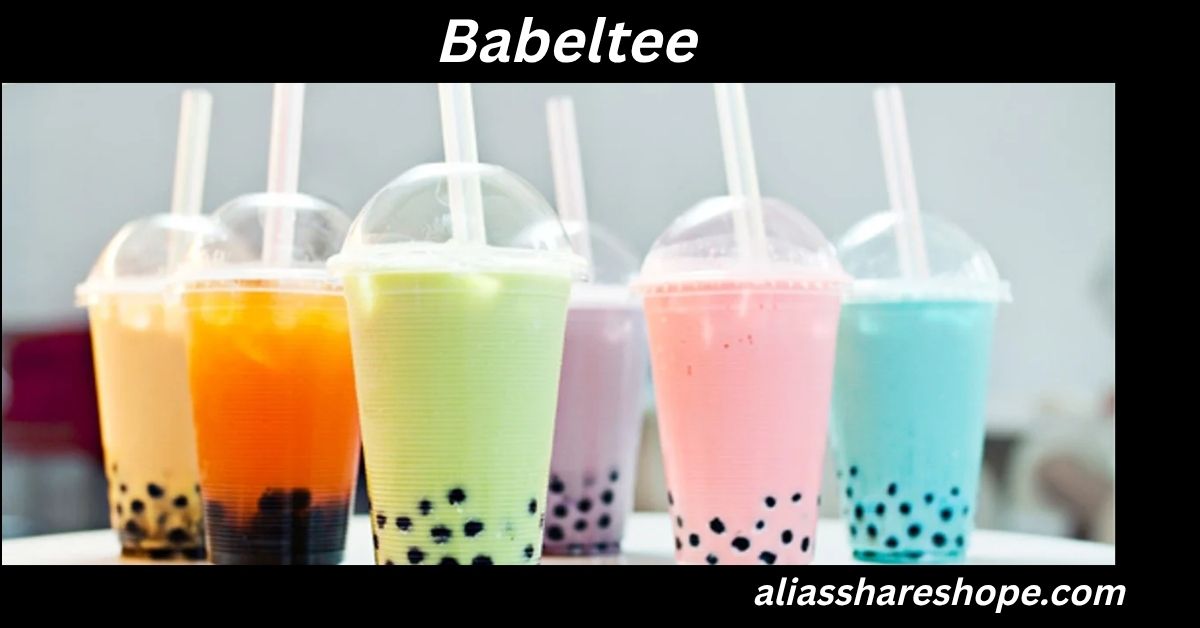
Babeltee: Everything You Need to Know
If you recently searched for Babeltee, you may have noticed that the term is not as easy to define as common words such as black tea, green tea, or bubble tea. Different online pages use Babeltee in different ways. Some connect it with customizable tea drinks, while others treat it as a creative online name, fashion term, brand-style expression, or digital keyword.
This lack of a fixed definition is the most important thing to understand about Babeltee.
At present, Babeltee is best understood as an emerging and context-dependent term rather than a traditional beverage with one official recipe. In tea-related discussions, it is often used to describe a flexible tea concept where people can combine a tea base with fruits, herbs, milk, spices, sweeteners, ice, or optional toppings. However, there is no universally recognized formula that makes a drink officially “Babeltee.” Recent online sources consistently describe the term as informal and still developing.
The word also creates confusion because it looks and sounds somewhat similar to “bubble tea.” Bubble tea is an established beverage with documented roots in Taiwan, while Babeltee does not currently have the same standardized identity or historical documentation.
This guide explains what Babeltee means, why people are searching for it, how it may relate to tea culture, how it differs from bubble tea, possible ingredients, preparation ideas, health considerations, online safety, and how to evaluate information about this unusual term.
What Is Babeltee?
Babeltee is an emerging online term that is often associated with customizable tea drinks and modern beverage culture.
Unlike established tea categories, Babeltee does not have one universally accepted definition. It does not currently represent a traditional tea leaf, a standardized drink recipe, or a universally recognized beverage category.
In the tea-related use of the word, the basic idea is simple: start with a tea and customize it.
For example, someone might use green tea as a base and add peach, lemon, mint, or a small amount of sweetener. Another person might use black tea with milk and fruit. Someone else might make a cold herbal tea with berries and fresh herbs.
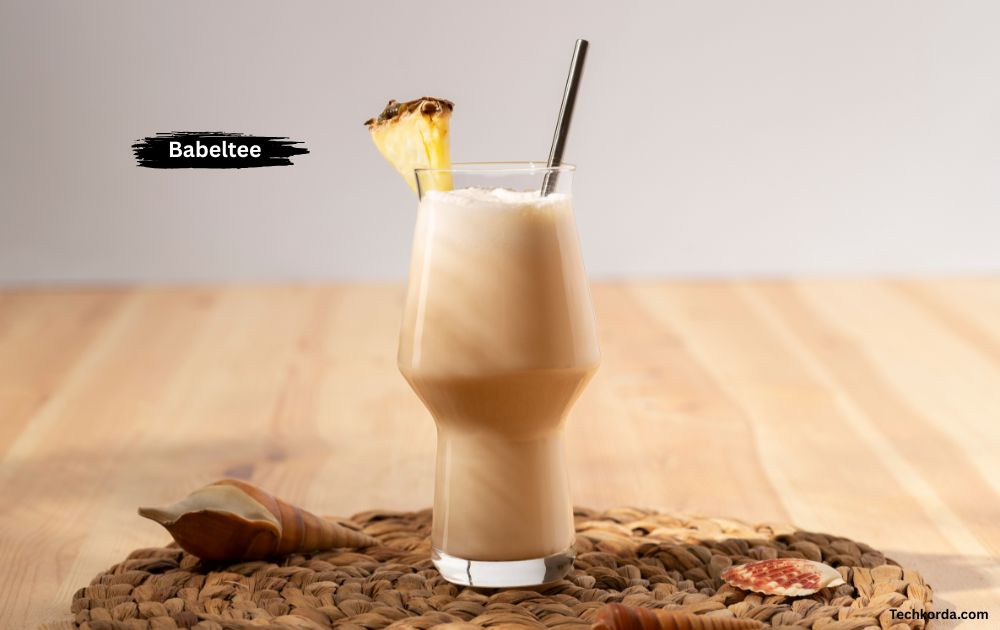
All of these drinks could potentially be described as Babeltee-style drinks in informal online usage.
The important point is that the name describes an idea more than a strict recipe.
Recent online discussions similarly describe Babeltee as a flexible tea concept rather than an officially established beverage.
Babeltee Meaning in Simple Words
In very simple terms, Babeltee can be understood as a creative name for a customizable tea experience.
A practical definition is:
Babeltee is an informal and emerging term that may refer to personalized tea-based drinks, especially drinks that combine different flavors, ingredients, or cultural influences.
The word does not have a universally accepted dictionary definition.
This distinction matters because people sometimes present new online terms as if they were long-established products. There is currently not enough reliable evidence to say that Babeltee has one official creator, one traditional recipe, or one specific country of origin.
Instead, its meaning depends on the context where you encounter the word.
Why Is Babeltee So Difficult to Define?
There are several reasons for the confusion surrounding Babeltee.
First, the term is relatively unusual. Unlike common words such as tea, coffee, or lemonade, most people do not have a shared understanding of what Babeltee means.
Second, its spelling is very close to words connected with tea culture. The most obvious comparison is “bubble tea.” A person who sees or types Babeltee may naturally wonder whether it is another name for boba tea.
Third, online publishers have used the term in different ways. Recent search results show descriptions involving customizable tea drinks, bubble-tea-style beverages, fashion, branding, and other creative uses.
Fourth, unusual internet terms can spread before they receive a stable definition. A name may begin as a creative label, then be reused by different websites, social media users, businesses, or content creators.
Over time, each group can attach its own meaning to the word.
That appears to be part of what is happening with Babeltee.
Is Babeltee a Real Drink?
The answer depends on what is meant by “real.”
People can certainly create and drink a beverage and call it Babeltee. In that sense, a Babeltee drink can exist.
However, Babeltee is not currently established in the same way as recognized beverage categories such as green tea, black tea, chai, matcha, or bubble tea.
There is no universally accepted Babeltee recipe.
There is no standard ingredient list.
There is no established preparation method.
There is also no strong evidence establishing a single inventor or traditional cultural origin for the beverage concept.
Therefore, it is more accurate to call Babeltee an emerging or informal tea-related concept than to describe it as a traditional drink.
Is Babeltee the Same as Bubble Tea?
No, the terms should not automatically be treated as identical.
Bubble tea is an established beverage category associated with Taiwan. It commonly uses tea and may include milk, fruit flavors, sweeteners, tapioca pearls, popping boba, jelly, or other toppings.
Babeltee does not have the same standardized definition.
Also Read: Nadeshda Ponce: Business, Analytics, Entrepreneurship, Wellness, and Purpose-Driven Leadership
Some online descriptions connect Babeltee closely with bubble tea, while others describe it as a broader concept involving customizable tea drinks.
The similarity between the names may also contribute to search confusion.
If someone searches for Babeltee because they want a drink with chewy tapioca pearls, they may actually be looking for bubble tea or boba tea.
On the other hand, if someone encounters Babeltee in a lifestyle article, the word may be used more broadly to describe a creative tea combination.
The safest approach is therefore to look at the context rather than assume that every use of Babeltee means bubble tea.
Babeltee vs. Bubble Tea: Key Differences
The easiest way to understand the difference is to look at how established each term is.
Bubble tea has a recognizable identity, historical background, and widely understood ingredients.
Babeltee has a flexible meaning and does not currently have one official recipe.
Bubble tea often includes tapioca pearls or another type of topping, although toppings are not mandatory.
Babeltee may include toppings, but it does not require them.
Bubble tea is strongly connected with Taiwanese beverage culture.
Babeltee has no equally well-documented traditional cultural origin.
This does not mean a Babeltee-style drink cannot resemble bubble tea. It simply means the names should not be treated as exact synonyms.
Where Did the Name Babeltee Come From?
The exact origin of the term Babeltee is not clearly documented.
Some online interpretations break the word into “Babel” and “tee” or “tea.” The word “Babel” can suggest languages, cultures, communication, or the biblical story of the Tower of Babel. “Tea” naturally suggests the beverage.
Some modern articles interpret the name as representing a mixture of cultures, flavors, or tea traditions. Others connect the term with bubble tea or simply treat it as a newly created online expression.
These interpretations are interesting, but they should not be confused with proven etymology.
There is currently no strong historical evidence showing that a particular person officially created the word with one specific meaning.
For that reason, claims about the exact inventor or original meaning of Babeltee should be treated carefully unless supported by reliable primary evidence.
How Babeltee Fits Into Modern Tea Culture
Tea has always been adaptable.
Different cultures have developed their own ways of preparing tea. Some prefer tea with milk. Others use spices. Some serve tea cold. Others add fruits, herbs, flowers, or sweeteners.
Modern beverage culture has taken this flexibility even further.
Consumers can now choose:
- Tea type
- Temperature
- Sweetness
- Milk or non-dairy milk
- Fruit
- Herbs
- Spices
- Ice
- Flavor syrups
- Toppings
- Caffeine level
Babeltee fits naturally into this larger trend toward personalization.
Instead of thinking about tea as one fixed recipe, the concept encourages people to think about tea as a base that can be adapted.
This is one reason the word may attract attention even without having a formal definition.
Common Ingredients Associated With Babeltee
Because Babeltee has no standard recipe, ingredients can vary widely.
Still, several categories appear repeatedly in descriptions of Babeltee-style drinks.
Tea Bases
A Babeltee-style drink can begin with many different types of tea.
Possible choices include:
- Black tea
- Green tea
- White tea
- Oolong tea
- Jasmine tea
- Matcha
- Chai
- Herbal infusions
- Fruit-based herbal tea
The tea base strongly influences the final flavor.
Black tea usually provides a stronger and deeper taste. Green tea tends to have a lighter or more vegetal flavor. White tea can be delicate. Oolong tea offers a wide range of flavors depending on how it is produced.
Herbal infusions are different because they are not technically made from the traditional tea plant, Camellia sinensis.
Fresh Fruit
Fruit can add natural sweetness, acidity, color, and aroma.
Popular options may include:
- Strawberry
- Peach
- Mango
- Blueberry
- Raspberry
- Lemon
- Lime
- Orange
- Pineapple
- Watermelon
There is no rule requiring a particular fruit.
Herbs
Fresh herbs can change the character of a tea quickly.
Mint is one of the easiest choices. Basil, rosemary, lavender, and other herbs can also be used in creative combinations.
However, strong herbs should be used carefully because they can easily overpower delicate tea flavors.
Milk and Plant-Based Milk
Milk is optional.
Some Babeltee-style drinks may use dairy milk, while others may use alternatives such as:
- Almond milk
- Oat milk
- Soy milk
- Coconut milk
Whether milk works well depends on the tea and other ingredients.
Strong black tea often pairs well with milk, while some delicate teas may taste better without it.
Sweeteners
Sweetness is another customizable element.
Possible choices include:
- Sugar
- Honey
- Maple syrup
- Simple syrup
- Fruit-based sweeteners
- Sugar-free sweeteners
Using less sweetener allows the natural taste of the tea and fruit to remain noticeable.
How to Make a Simple Babeltee-Style Drink at Home
Since there is no official recipe, you do not need specialized equipment.
A simple version can be prepared with ordinary kitchen tools.
Start by choosing one tea.
Brew the tea according to the instructions for that particular variety. Avoid using extremely hot water for delicate teas because very high temperatures can create a bitter taste.
Allow the tea to cool if you want a cold drink.
Next, add one or two flavors.
For example, you might combine green tea with peach and mint.
You could also combine black tea with lemon and a small amount of honey.
For a creamy version, add milk or a plant-based alternative.
For a chilled drink, add ice.
If you enjoy bubble-tea-style drinks, you can add an optional topping such as tapioca pearls or fruit jelly.
The most useful approach is to start with a small number of ingredients.
Adding too many flavors at once can make it difficult to identify what works.
Three Easy Babeltee Flavor Ideas
Green Tea, Peach, and Mint
This combination can provide a light, fresh flavor.
Brew green tea, let it cool, then add peach pieces or a small amount of peach flavor. Finish with fresh mint and ice.
Black Tea, Lemon, and Honey
This is a simple option for people who enjoy stronger tea.
Brew black tea, add lemon juice, and use a small amount of honey if desired.
Herbal Tea, Berries, and Mint
A caffeine-free herbal base can be combined with berries and mint.
This can work well as a cold drink during warm weather.
These are examples rather than official Babeltee recipes. The flexible nature of the term means that customization is part of the concept.
Does Babeltee Contain Caffeine?
It can, but not always.
Caffeine depends mainly on the tea base.
Black tea, green tea, white tea, oolong tea, and matcha naturally contain caffeine.
Many herbal infusions do not naturally contain caffeine.
Therefore, the word Babeltee itself does not tell you whether a drink contains caffeine.
If you are sensitive to caffeine, check the ingredients or ask the person preparing the drink.
This is particularly important when buying a ready-made beverage because the name alone may not reveal the tea base.
Is Babeltee Healthy?
There is no single answer because Babeltee does not describe one standardized drink.
The nutritional value depends on what goes into the cup.
An unsweetened tea with fruit may have a very different nutritional profile from a large milk-based drink containing several pumps of flavored syrup and a sweet topping.
For a lighter option, consider:
- Unsweetened tea
- Fresh fruit
- Limited added sugar
- Moderate portions
- Water or ice as needed
However, tea should not be treated as a cure for disease or as a replacement for medical care.
Health claims should always be considered based on the actual ingredients rather than the name Babeltee.
Babeltee and Sugar
Added sugar can make a drink taste better, but it also increases its calorie content.
This is particularly important when a drink contains several sweet ingredients at once.
For example, a beverage might contain sweetened tea, flavored syrup, sweet milk, and chewy toppings.
The result can contain much more added sugar than someone expects.
If you are trying to reduce sugar, ask for less sweetener and check the ingredient information when available.
Fruit can provide flavor without requiring large amounts of added sugar.
Babeltee and Allergies
Because Babeltee has no standard recipe, allergy information cannot be determined from the name alone.
Possible allergens can come from:
- Dairy milk
- Soy milk
- Nuts
- Certain flavorings
- Toppings
- Cross-contact during preparation
If you have a food allergy, ask about every ingredient before consuming a customized drink.
Do not assume that a tea-based drink is automatically safe for every diet.
Can Babeltee Be Caffeine-Free?
Yes.
A caffeine-free version can be made with a caffeine-free herbal infusion.
Fruit, mint, chamomile, rooibos, or other suitable caffeine-free ingredients can be used depending on personal preferences.
However, always check the actual product label if caffeine avoidance is important to you.
Some beverages that appear similar can have very different caffeine levels.
Can Babeltee Be Made Without Dairy?
Yes.
Because there is no official recipe, dairy is optional.
A drink can be prepared without milk or with a plant-based alternative.
Common alternatives include oat, almond, coconut, and soy beverages.
Anyone with a food allergy should check the label and preparation environment because plant-based does not automatically mean allergen-free.
Is Babeltee a Brand?
Current online information does not establish one universally recognized company or beverage brand called Babeltee that owns the entire concept.
This is an important distinction.
A business could potentially use Babeltee as a product name, website name, clothing name, or branding term without controlling every use of the word online.
Search results also show that Babeltee can appear in contexts unrelated to beverages. Some online sources associate the term with fashion, apparel, branding, or digital concepts.
Therefore, seeing the word Babeltee does not automatically mean that you are looking at one particular company.
Babeltee and Online Search Intent
People may search for Babeltee for several different reasons.
One person may want to know the meaning of the word.
Another may think it is a new tea drink.
Someone else may be searching for bubble tea.
A shopper may be looking for a brand or product.
A content creator may be investigating a new internet keyword.
This explains why search results can appear inconsistent.
When researching Babeltee, always look at the surrounding information.
Also Read: Magazineluiza com br Email Format: Complete Guide to Magazine Luiza Email Addresses
Ask:
- Is the page discussing a drink?
- Is it referring to clothing or a brand?
- Is it discussing bubble tea?
- Is it using Babeltee as a creative name?
- Does the page provide verifiable information?
- Does it identify a real company or product?
- Does it make claims without evidence?
Context is especially important with emerging keywords.
Why New Internet Terms Become Popular
The internet creates new words constantly.
A word may begin as a typo.
It may then be repeated by social media users.
A website may publish an article explaining it.
Other websites may write about the same word.
Search engines then begin showing more pages containing the term.
Eventually, people start searching for the word because they saw it somewhere else.
This can create a feedback loop.
Babeltee appears to be an example of a term whose online meaning is still developing. Recent articles published in 2026 repeatedly describe it as an emerging, loosely defined term rather than an established traditional beverage.
Babeltee and Digital Literacy
The unusual nature of Babeltee makes it a useful example of digital literacy.
When you encounter an unfamiliar word online, do not immediately assume that the first explanation is correct.
Instead, compare several sources.
Look for primary information when possible.
For a commercial product, check the company’s official website.
For a historical claim, look for reliable historical or cultural sources.
For food information, look for ingredient labels and trustworthy nutritional information.
This process helps separate genuine information from content created mainly to attract search traffic.
How to Check Whether a Babeltee Website Is Trustworthy
If you find a website using the term Babeltee, check a few basic signals.
Look for an identifiable author.
Check whether the article provides evidence.
See whether the site clearly explains where its information comes from.
Look for a publication or update date.
Be careful with websites that make strong claims without supporting information.
Also watch for excessive advertisements, fake urgency, copied wording, suspicious download buttons, and requests for unnecessary personal information.
A professional-looking website is not automatically a trustworthy website.
Babeltee Safety and Privacy Considerations
If Babeltee appears on a website you do not recognize, treat the website like any unfamiliar online service.
Do not enter your financial information unless you have confirmed that the site is legitimate.
Do not reuse passwords.
Avoid downloading unknown files.
Do not provide personal information simply because a website requests it.
If a site asks for unusual permissions, stop and investigate before continuing.
These precautions are not specific to tea. They are basic digital safety practices that apply to unfamiliar websites and emerging online brands.
How to Avoid Fake Babeltee Products
If you find a product marketed as Babeltee, verify what you are actually buying.
Check the manufacturer.
Read the ingredients.
Look for contact information.
Check whether the seller has a clear return policy.
Review independent customer feedback when available.
Be cautious if a product makes dramatic health claims.
For food and beverages, ingredient transparency is especially important.
A name can be creative, but it should not replace basic product information.
Babeltee and Personalization
One of the most interesting aspects of the Babeltee concept is personalization.
Modern consumers often want products that match their individual preferences.
This is visible across the food and beverage industry.
People customize coffee with different milks and flavors.
They customize smoothies with fruits and protein.
They customize pizza with different toppings.
Tea can work in exactly the same way.
Babeltee, as an informal concept, reflects this broader movement toward drinks that can be adjusted rather than purchased as one fixed recipe.
This may also explain why the term feels modern even though tea itself is an ancient beverage.
Babeltee as a Fusion Tea Concept
Another useful way to understand Babeltee is through the idea of fusion.
Tea cultures around the world use different ingredients and preparation methods.
For example, some traditions emphasize plain brewed tea, while others use milk, spices, herbs, flowers, fruit, or sweeteners.
A customizable tea concept can combine ideas from several traditions.
However, it is important to avoid claiming that a modern internet term has a traditional cultural origin without evidence.
It is better to say that Babeltee-style drinks may draw inspiration from different tea traditions than to claim that Babeltee itself is an ancient cultural beverage.
Does Babeltee Have a Standard Recipe?
No established universal recipe currently defines Babeltee.
This means that recipes found online may differ significantly.
One recipe might contain green tea and fruit.
Another might contain milk and tapioca pearls.
Another could be an herbal infusion with herbs and spices.
None should automatically be treated as the official Babeltee recipe.
This is one of the main differences between an informal internet concept and a standardized beverage category.
Can You Make Babeltee Without Boba?
Yes.
Boba is optional in the informal tea-related interpretation of Babeltee.
If you prefer a simple drink, you can use tea, fruit, herbs, and ice without any chewy toppings.
This may be preferable for people who want the flavor of tea without the texture or additional sweetness that some toppings provide.
Can You Make Babeltee Hot?
Yes, if you are using Babeltee as a general customizable tea concept.
There is no established rule saying it must be served cold.
A hot version might include black tea, cinnamon, ginger, lemon, honey, or other warming ingredients.
A cold version might use green tea, fruit, mint, ice, and sparkling water.
The preparation can be adapted to the season and personal preference.
Babeltee for Different Taste Preferences
A major benefit of an open tea concept is that different people can build different drinks.
If you like strong flavors, choose black tea or chai.
If you prefer lighter flavors, green or white tea may work better.
If you enjoy fruity drinks, add berries, peach, mango, or citrus.
If you prefer creamy drinks, add milk or a plant-based alternative.
If you want less sweetness, reduce or remove added sugar.
If you want to avoid caffeine, choose an appropriate caffeine-free herbal infusion.
This flexibility makes the concept accessible to people with different preferences.
Common Mistakes When Making a Babeltee-Style Drink
The first mistake is adding too many ingredients.
More ingredients do not always mean better flavor.
The second mistake is using too much sweetener.
Sugar can quickly overpower tea and fruit.
The third mistake is ignoring the tea’s brewing requirements.
Different teas respond differently to water temperature and brewing time.
Another mistake is mixing ingredients without considering flavor balance.
A successful drink usually has a clear base flavor, one or two supporting flavors, and an optional accent.
Simple combinations are often easier to enjoy than complicated ones.
Babeltee and Sustainability
A customizable tea drink can also raise questions about sustainability.
Fresh ingredients can be purchased locally when practical.
Reusable cups can reduce disposable waste.
Loose tea can sometimes reduce packaging compared with individually wrapped products, although this depends on the product and packaging system.
If a drink uses toppings or single-use containers, the environmental impact may increase.
There is no special environmental claim that should automatically be attached to Babeltee simply because it is tea-based.
Sustainability depends on the actual ingredients, packaging, transportation, and preparation methods.
Babeltee in the United States
The United States has a large and diverse beverage market.
Consumers can find traditional tea, iced tea, specialty tea, matcha drinks, chai, bubble tea, fruit tea, milk tea, and many fusion beverages.
This environment makes customizable tea concepts easy to understand.
American consumers are already familiar with ordering drinks according to sweetness, milk type, toppings, temperature, and flavor.
For this reason, a term such as Babeltee can fit naturally into existing beverage culture even without having a formal traditional identity.
However, the term should still be treated as an emerging label rather than an established category.
What People Should Know Before Searching for Babeltee
The most important lesson is simple: do not assume that every search result describes the same thing.
Babeltee can appear in different contexts.
If you are looking for a drink, check the ingredients.
If you are looking for a company, check the company’s identity and official information.
If you are looking for a clothing product, confirm the seller and product details.
If you are researching the origin of the word, look for historical evidence rather than repeating unsupported explanations.
This approach saves time and reduces confusion.
Also Read: Startup Booted: A Complete Guide to Revenue-First Startup Growth
Babeltee: Key Facts at a Glance
Babeltee is an emerging online term.
It does not currently have one universally accepted definition.
In beverage-related content, it is commonly associated with customizable tea drinks.
There is no established universal Babeltee recipe.
Fruit, herbs, milk, spices, sweeteners, and toppings may be used depending on the version.
Babeltee and bubble tea are not automatically the same thing.
The caffeine content depends on the tea base.
A Babeltee-style drink can be hot or cold.
It can be made with or without dairy.
It can be made with or without boba-style toppings.
The exact origin of the word is not clearly documented.
The term may also appear outside beverage discussions, including branding, fashion, and online culture.
Babeltee and SEO Search Trends
From a search perspective, Babeltee is an interesting example of an emerging keyword.
People who search unusual terms often have informational intent.
They may ask:
“What is Babeltee?”
“What does Babeltee mean?”
“Is Babeltee the same as bubble tea?”
“Is Babeltee a real drink?”
“What ingredients are in Babeltee?”
“Where did Babeltee come from?”
“Can I make Babeltee at home?”
These questions show why a useful Babeltee article should not simply provide one short definition.
Because the term is ambiguous, readers need context.
A good explanation should tell them what is known, what is uncertain, and why different pages may provide different answers.
That is more useful than presenting speculation as fact.
How Babeltee May Evolve
The future meaning of Babeltee is not certain.
It could remain a niche internet term.
It could become associated with a specific beverage brand.
A business could adopt it as a commercial product name.
Food creators could use it to describe a style of customizable tea.
It could also become less common if people continue using more established terms such as bubble tea, fruit tea, or milk tea.
The development of internet vocabulary is difficult to predict.
A word can become popular very quickly, but popularity does not automatically create a standardized definition.
For Babeltee to become a recognized beverage category, consumers, businesses, creators, and the wider food industry would likely need to use the term consistently.
Frequently Asked Questions About Babeltee
1. Can Babeltee be used as a name for a homemade tea recipe?
Yes. Because Babeltee does not currently have a universally accepted recipe, someone can use the term informally for a personalized tea creation. However, calling a homemade drink Babeltee does not mean that it follows an official or recognized formula.
2. Does the word Babeltee have a legal definition in the United States?
There is no generally recognized legal definition of Babeltee as a beverage category. If a business uses the word as a trademark, product name, or brand, its legal status would depend on the specific use, registration, and applicable intellectual property rules. The word itself should not be assumed to have a special legal status.
3. Can restaurants use the name Babeltee on a menu?
A restaurant may potentially use a creative name for a drink, but it should check applicable trademark and labeling considerations before using a name commercially. The restaurant should also provide accurate ingredient and allergen information where required.
4. Does Babeltee refer to a specific tea plant?
No established evidence currently shows that Babeltee is the name of a specific tea plant or botanical variety. In current beverage-related usage, the word is generally treated as an informal term rather than a botanical classification.
5. Why might two Babeltee recipes taste completely different?
The main reason is that Babeltee does not have a standardized recipe. One version might use green tea and fruit, while another might use black tea, milk, sweetener, and toppings. The ingredients, brewing method, sweetness, and serving temperature can all change the final drink.
Conclusion
Babeltee is an unusual and evolving term that has attracted attention because its meaning is not completely fixed.
In the context of modern tea culture, the most practical interpretation is that Babeltee refers to an informal, customizable tea concept. A drink described this way may combine a tea base with fruit, herbs, spices, milk, sweeteners, ice, or optional toppings. However, there is currently no universally accepted recipe or formal definition.
It is also important not to automatically confuse Babeltee with bubble tea. Bubble tea is an established beverage with a documented cultural history, while Babeltee remains a much less defined online term.
The word may also appear in contexts outside beverages, including branding, fashion, and digital culture. This makes context especially important when researching it.
For consumers, the best approach is simple: check what a particular website, business, or creator actually means by Babeltee. Look at ingredients, product information, company details, and reliable evidence rather than assuming that every use of the word refers to the same thing.
Ultimately, the most interesting part of Babeltee may be its flexibility. Tea has always adapted to different cultures, tastes, and preparation methods. Babeltee reflects a modern version of that idea by treating tea as something people can personalize and reinterpret.
As the term continues to appear online, its meaning may become clearer. Until then, describing Babeltee as an emerging and context-dependent tea-related term is more accurate than presenting it as a traditional drink with one fixed definition.